
Long-lasting deodorizing environment
Soil-derived deodorizing bacteria use moisture and nutrients inside pipes to remain active, supporting a microbial environment where odors are less likely to return.
A long-lasting bio deodorizer made by powdering living soil-derived deodorizing bacteria. Safu approaches odor problems in public restrooms and drainage systems from the microbial environment inside pipes.
Odors in public restrooms are not only a surface-cleaning problem. Residues in drain traps and pipes can become odor sources through the microbial environment inside the drainage system.
Safu is applied as a powder formulation into drainage systems. Using moisture and nutrients in sludge as a foothold, deodorizing microbial colonies are designed to form an environment where odors are less likely to return.
Odor profiles from human waste vary depending on diet and health conditions, so a single microorganism is not enough. Safu combines a complementary microbial design with scaffold technology that supports the bacteria after application.
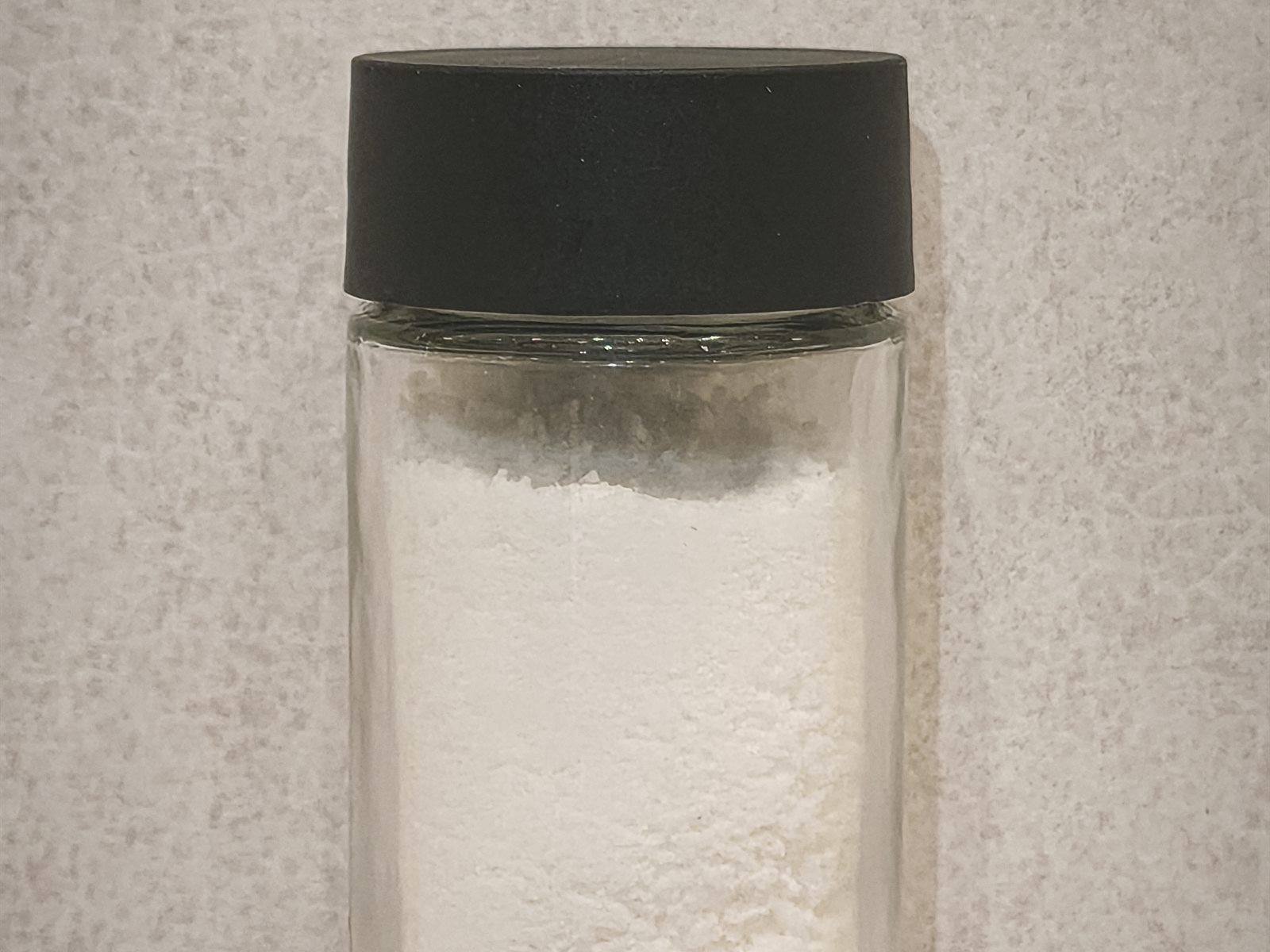
Water-saving toilets can leave odor sources in drain traps and pipe interiors. Even when visible surfaces are cleaned, odor can return if the microbial environment inside the drainage system remains unstable.
Safu is designed to support useful microbial activity close to the odor source rather than masking odors with fragrance. While the bacteria remain active, deodorizing enzymes and metabolic functions can continue to work inside the pipe environment.
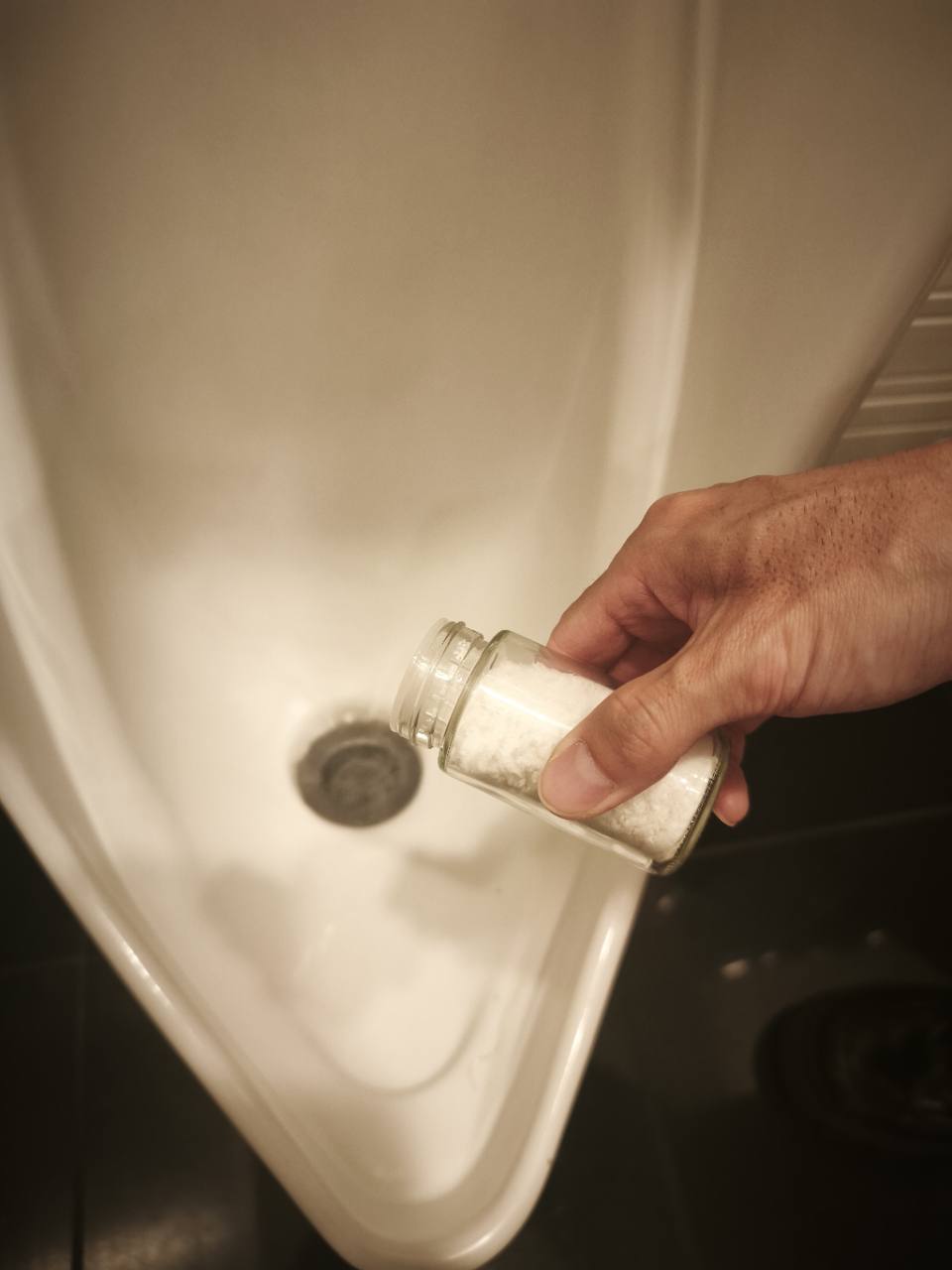
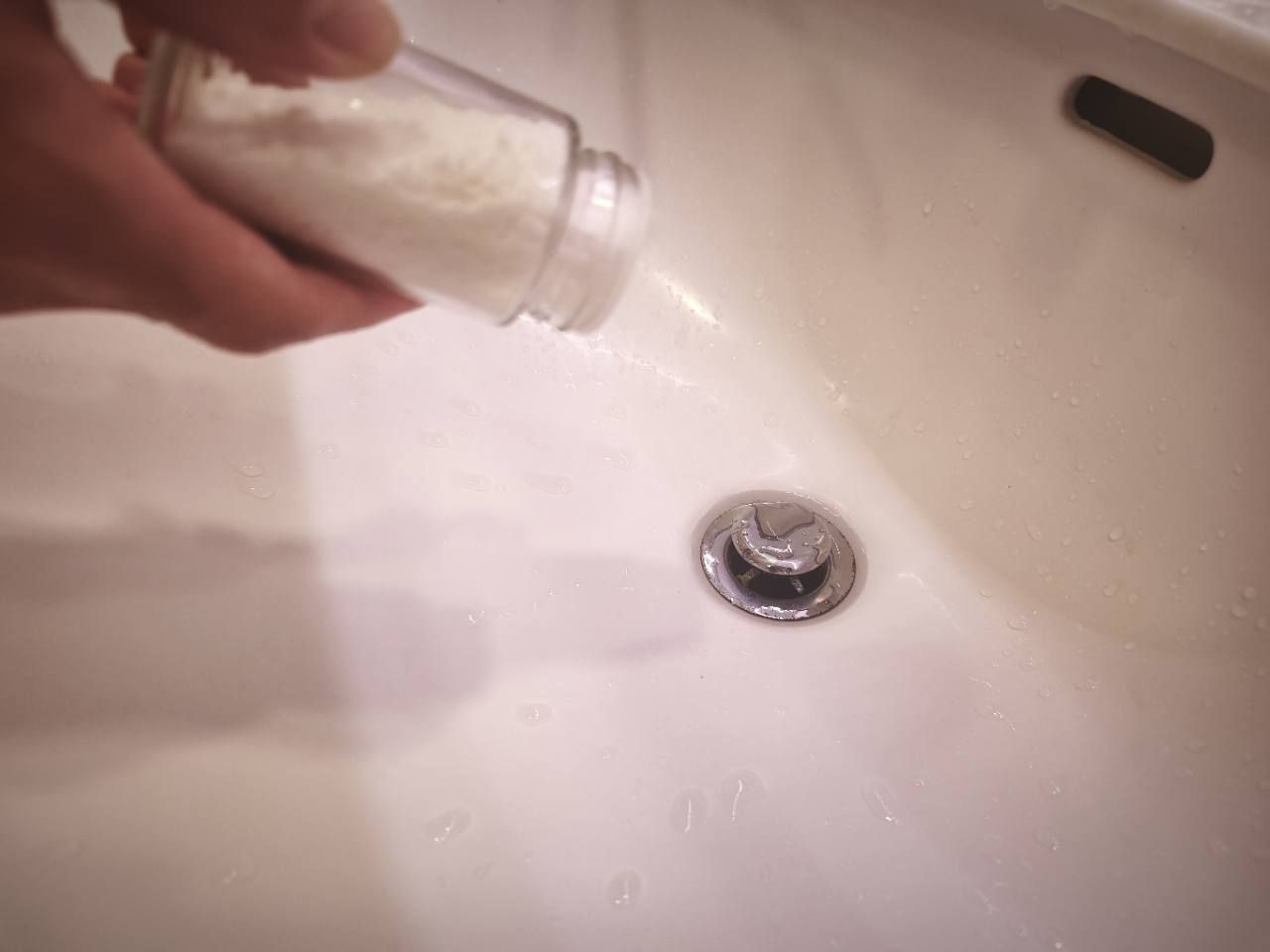
Safu is applied as a powder to drains and drain traps where odor sources often remain.
With water flow, the microbial formulation reaches the pipe environment and forms a scaffold that supports useful bacterial activity around sludge and residues.
Soil-derived deodorizing bacteria use moisture and nutrients inside pipes to remain active, supporting a microbial environment where odors are less likely to return.
By countering unwanted biofilm formation and fixed grime, Safu supports lower urine-scale buildup, reduced clogging risk, and lower cleaning burden.
Formulation technology is applied to create a gel-like scaffold after application, helping protect the microorganisms and support stable deodorizing activity.
Usage volume and application frequency are designed individually according to facility scale, odor conditions, pipe structure, and cleaning operations. The microorganisms are selected from a biosafety perspective, and safety documentation can be provided during introduction planning.
Contact APIA to discuss odor issues in public restrooms, commercial facilities, care facilities, outdoor equipment, and drainage systems.